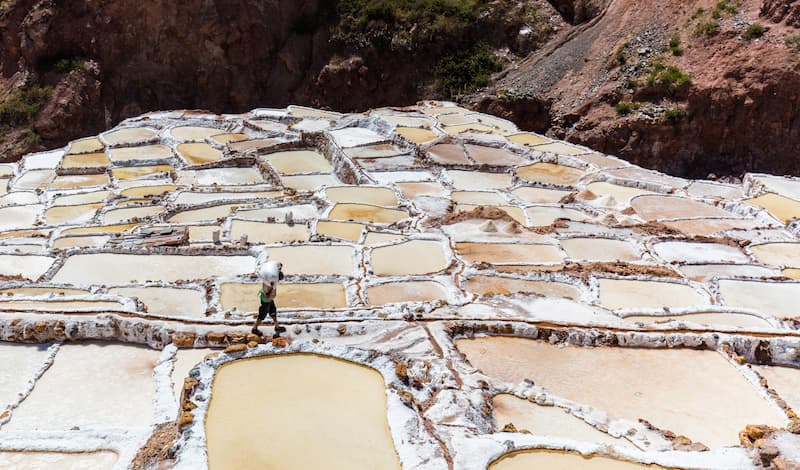
Maras Salt, a gem from Peru, showcases an extraordinary harvesting method. Located in the Andes, the salt pans of Maras are steeped in history, where a longstanding tradition dictates the creation of Maras Salt.
The art of salt gathering in Maras blends with nature. The pans, enriched by mineral-laden springs, undergo a gradual crystallization. This unhurried technique is pivotal in defining its unique taste and superior quality.
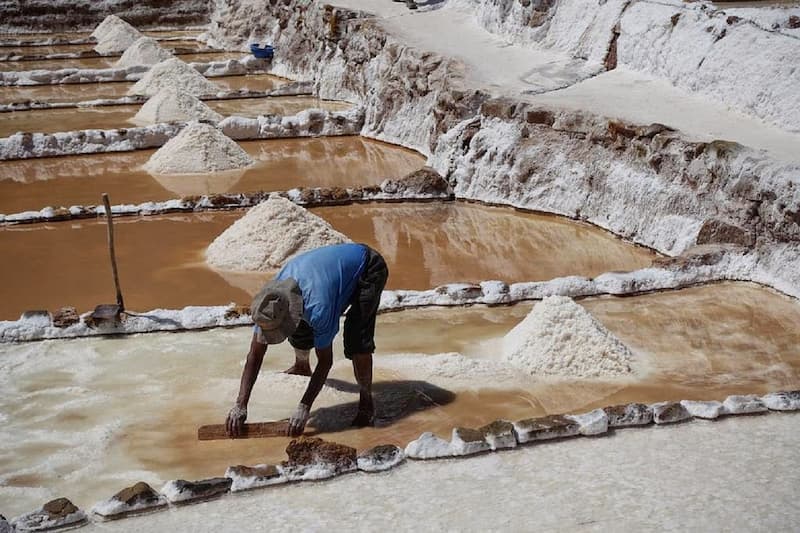
Integral to this process is the community’s involvement. Generational wisdom steers the harvesting methods, refining each salt crystal with expertise.
The odyssey of Maras Salt is captivating: from the Andean springs to kitchens worldwide, it is a voyage of distinct taste. Experience the enchantment in every grain.
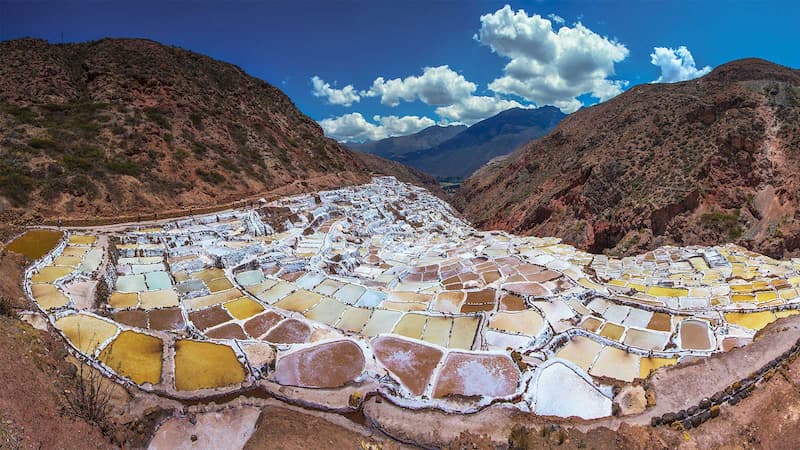
Maras Salt’s tale starts in the Sacred Valley’s core, dating back to pre-Inca times, enriched with a profound historical background. The salt ponds, vital during the Inca Empire, signify this rich heritage.
In the Andean embrace, Maras stands as a monument to ancient ingenuity. The Salineras de Maras, a network of salt pans, remains a cultural wonder. For over five centuries, these pans have been a source of Peruvian pink salt.
The Maras community, inheritors of this age-old tradition, perpetuates their forebearers’ craft. Their bond with the land is profound and spiritual, symbolizing resilience and connecting history with the present.
The creation of Maras salt starts with its natural springs. Mineral-rich saltwater is directed into shallow pans, where the sun’s warmth evaporates the water, leaving crystallized salt.
Handled with care by local families, each pan reflects a collective endeavor. The dry season is especially crucial for the best salt yield.
Its unique pink hue and flavor are nature’s creations. The evaporating process concentrates these minerals, contributing to its worldwide demand.
Despite the challenging location and altitude of the Maras Salt Mines, they are an accessible destination. The salt is harvested throughout most of the year, presenting ample opportunities for visitors.
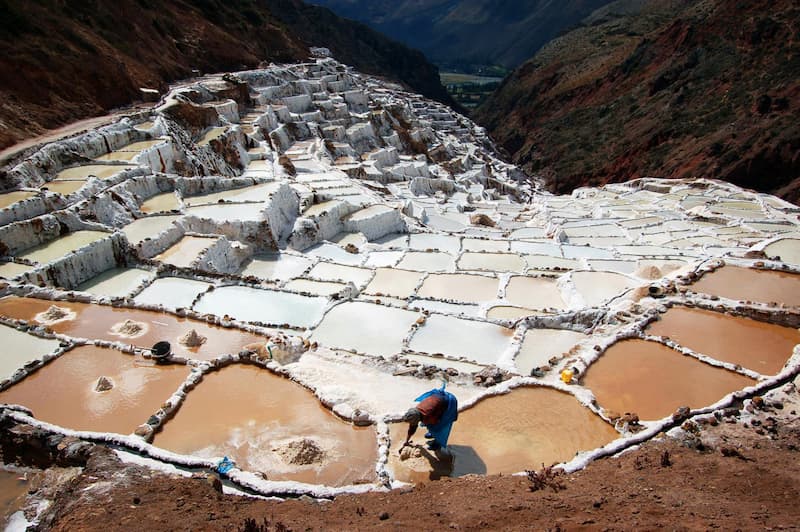
The communities of Maras and Pichingoto are the essence of this salt-making tradition. Their ancestral knowledge is priceless. This craft is more than just a job; it’s a cultural inheritance.
Their responsibilities go beyond harvesting. As guardians of an ancient practice, they preserve it for the next generations. Their sustainable approaches ensure the salt ponds’ endurance.
Cooperation among families is vital. Each owns specific salt pans, instilling pride. This collective effort exemplifies the spirit of the Sacred Valley.
Salt production in Maras syncs with nature’s cycle. The rainy season pauses harvesting, allowing for maintenance and repair of the pans.
With the arrival of the dry season, production recommences. This seasonal rhythm shapes the community’s life, a harmonious dance with nature.
The sunny days of the dry season are essential. It’s when water evaporates, leaving behind pure salt. Balancing these seasons is crucial for the salt’s creation.
Maras salt is now a culinary gem. Its unique flavor enhances Cusco’s dishes, and its mineral-rich composition is coveted by chefs globally.
Its benefits extend to health and wellness. The natural properties of Maras salt are valued beyond culinary uses.
Its global acclaim has increased tourism. Visitors are drawn to witness this age-old practice, bridging traditional methods with modern interest.
Tourists in Maras can partake in various activities. Cycling tours through the Sacred Valley offer stunning vistas, including stops at the Maras salt ponds and Moray ruins.
This experience is both educational and immersive. Visitors learn about salt production amidst a breathtaking landscape, merging adventure with cultural insight.
For history enthusiasts, the Moray ruins are essential, complementing Maras’s story. Together, they offer insight into the Inca Empire’s brilliance.
Sustainability is key to Maras salt’s future. The community’s dedication to preserving their heritage ensures its continued production.
Educational efforts are crucial. Educating visitors about these practices promotes respect and understanding of this ancient tradition.
As global trends lean towards sustainability, Maras salt stands as a model of tradition, community, and environmental harmony, a true jewel of the Sacred Valley.
Visitors often respect the community’s guidelines, marveling at the stunning salt pans.
Understanding the production of Maras salt unravels a rich narrative of history and culture. From its ancient beginnings to its role in modern cuisine, Maras salt symbolizes a legacy of perseverance.
Its journey from the historic salt pans of the Sacred Valley to global kitchens tells a tale of resilience, community, and a symbiotic relationship with nature.
In enjoying Maras salt, we partake in a fragment of Peruvian history, appreciating the Inca Empire’s timeless wisdom. Maras salt is not merely a seasoning; it’s a crystallized heritage.